- Home
- Rustic Crafts
- Supplies
- Storage of Foraged Harvests
Jacki Cammidge is a Certified Horticulturist and rustic garden artisan with 30+ years creating twig trellises, archways, and hypertufa pieces from natural materials.
Storage of Foraged Harvests
How To Store Your Valuable Wildcrafts
You can absolutely turn foraged or wildcrafted natural materials into sellable products, but the key is doing it safely, sustainably, legally, and in a way that preserves quality.
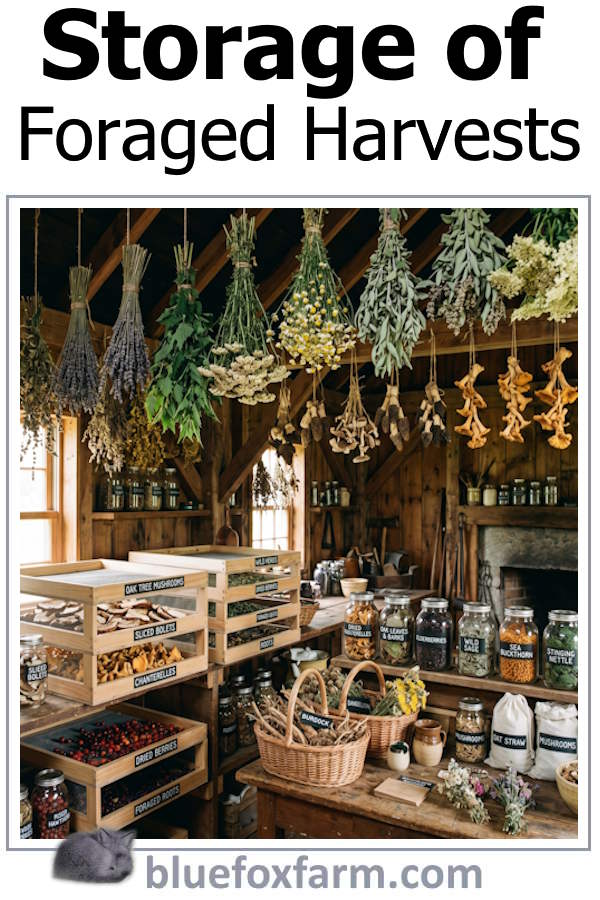
A good starting framework is this:
1. Identify exactly what you have
2. Confirm it’s legal and safe to harvest/sell
3. Harvest at the right stage
4. Clean and dry or preserve properly
5. Store to prevent mold, bugs, and breakage
6. Package and label clearly for buyers
For the items that are most often asked about, here are practical basics.
Grasses
Best for:
- Dried arrangements
- Wreaths
- Basketry
- Rustic decor
How to harvest:
- Cut when seed heads are mature but before they shatter badly
- Harvest on a dry day after dew has evaporated
- Use sharp pruners or a sickle
- Avoid insect-damaged or moldy stems
How to preserve:
- Tie into small bundles
- Hang upside down in a dark, dry, well-ventilated space
- Drying usually takes 1 to 3 weeks depending on thickness and humidity
Storage:
- Keep in cardboard boxes or paper sleeves
- Avoid sealed plastic unless fully dry
- Store away from sunlight to reduce fading
Pinecones
Best for:
- Crafts
- Holiday decor
- Fire starters
- Potpourri components
How to harvest:
- Collect dry, open cones if you want the classic look
- Collect closed cones if you want them to open naturally during drying
- Avoid cones with sap rot, mold, or heavy bug damage
How to preserve and clean:
- Shake out debris
- If needed, rinse quickly and dry thoroughly
- Many crafters bake pinecones at low heat to dry them and kill insects, but use caution because sap is flammable
- Air drying is safest, though slower
Storage:
- Store completely dry cones in paper bags, cardboard boxes, or breathable bins
- Add date and collection area labels
- Check periodically for insects or mold
Magnolia burrs or seed pods
Best for:
- Wreaths
- Bowl fillers
- Floral design materials
How to harvest:
- Collect after they mature and begin to dry naturally
- Choose intact pods with good shape and color
- Avoid wet, blackened, or crumbling pieces
How to preserve:
- Air dry on screens or trays in a ventilated area
- Turn occasionally for even drying
- If seeds are still present, remove loose material once dry unless you’re selling them for botanical display
Storage:
- Use shallow boxes with padding
- Keep dry and protected from crushing
Fungus
This category needs the most caution.
Important:
- Some fungi are protected in certain areas
- Some decay quickly
- Some attract insects
- Some can be hazardous to handle or sell for food, medicine, dye, or identification purposes
If you want to collect decorative shelf fungi or bracket fungi:
How to harvest:
- Only collect firm, mature specimens
- Avoid wet, decaying, slimy, or bug-ridden material
- Cut cleanly at the base
Preservation:
- Dry thoroughly in a dehydrator or warm, dry, well-ventilated area
- Some decorative fungi dry well naturally; others rot before drying
Storage:
- Store bone dry in paperboard boxes with airflow
- Watch carefully for insects and crumbling
Very important:
If
you want to sell fungus for consumption, medicinal use, teas, or
ingredients, you may need permits, food safety compliance, and very
strong species verification. Do not sell edible wild mushrooms unless
you fully understand local law and safe identification standards.
Paxistima
Paxistima canbyi, also known as ratstripper used in greenery/decor:
How to harvest:
- Cut healthy stems during dry weather
- Avoid overharvesting from any one plant
- Select clean, undamaged branchlets
Preservation options:
- Air dry for rustic greenery
- Press if using for botanical art
- Some foliage may hold better if treated with glycerin, though test first because not all species preserve attractively
Storage:
- Keep flat or lightly bundled in a dry, dark place
- Protect from crushing and leaf drop
General harvesting rules that matter if you want to sell
Harvest only dry material
- Morning dew or recent rain increases mold risk
Never overharvest
- A common rule is to take only a small portion from any one patch or plant
- Leave enough for wildlife, reseeding, and regrowth
Sort in the field
- Keep premium, damaged, and questionable material separate
Label everything
- Date
- Species or best identification
- Location harvested
- Any treatment used
Watch for pests
- Many natural materials carry insect eggs, spiders, or mold spores
- Quarantine new harvests before mixing into stored inventory
Use the right drying setup
- Good airflow is more important than heat
- Darkness helps preserve color
- Screens, hanging racks, and slatted shelves work well
Avoid plastic for initial storage
- Plastic traps moisture and encourages mold unless the item is fully dry
Rose Hips
Used for teas, especially during winter as they contain vitamin C. Also very pretty and bright as a component of pot pourri.
Keeping in mind that these are a 'fleshy drupe' you will need to dry them completely. Often, they wrinkle when dried, but this adds to their appeal.
Other Issues to Consider When Wildcrafting
Think about legal and business issues
Before selling, check:
- Whether the species is protected, invasive, or restricted
- Whether buyers need botanical identification
- Whether your state regulates wildcrafted goods
- Whether you’re selling decor only versus edible, medicinal, or planting stock
- Whether shipping across state lines creates issues, especially with seeds, wood, or plant pests
How to learn the proper method for each item
Since preservation varies by species, your best next step is to make a harvest list like this:
- Common name
- Photo
- Where it grows on your property
- What you want to sell it as: wreath material, dried decor, seed pod, edible, botanical specimen, etc.
Then research each item by:
- Botanical name
- Stage of harvest
- Drying method
- Pest treatment
- Storage humidity
- Shelf life
- Legal restrictions
A very practical way to start
Pick just 3 categories first:
- Pinecones
- Decorative grasses
- Magnolia pods
These are usually simpler and lower-risk than fungus.
Create a small test batch for each:
- Harvest 10 to 20 pieces
- Dry them using one method
- Store for 30 days
- Check for mold, bugs, fading, brittleness, and customer appeal
That will teach you a lot before you scale up.
 Jacki Cammidge
AUTHOR BIO
Jacki Cammidge is a Certified Horticulturist with a diploma in Ornamental Horticulture and the rustic garden artisan behind Woman of Many Sticks. Over 30+ years, she built custom twig trellises, archways, clematis gazebos, and 100+ hypertufa pieces using natural materials and upcycled finds. See her work on Facebook and Pinterest. Now retired, she still loves growing and harvesting willow.
If you're curious how broken pots, twigs and wire combine into magic, let's explore creativity in action.
Fill in the form below for your copy;
(Don't be disappointed - use an email address that will accept the free download - some .aol email addresses won't.
If you don't see your download within a few minutes, try again with another email address - sorry for the bother.)




Popular Posts You Can't Miss


Woman of Many Sticks - find out why I'm called that...
Join my e-mail group;
Sign up for the Rurality Newsletter here: (click on the bucket!)
Blue Fox Farm Home | About Me | Contact Me | Site Map | Privacy Policy | Copyright
Copyright © 2002- BlueFoxFarm.com All rights reserved


We acknowledge the traditional owners and custodians of the lands on which we live and work and pay our respects to elders past, present and future. Our business is created on the Mi’kmaq lands we call Epekwitk.