- Home
- Life In Miniature
Jacki Cammidge is a Certified Horticulturist and rustic garden artisan with 30+ years creating twig trellises, archways, and hypertufa pieces from natural materials.
Life in Miniature
Tiny Gardens, Doll Houses and Landscapes
There is a fascination with all things miniature, and it's not new. I remember as a young child making moss gardens and visiting entire tiny villages that barely reached my waist, complete with thatched roof cottages.
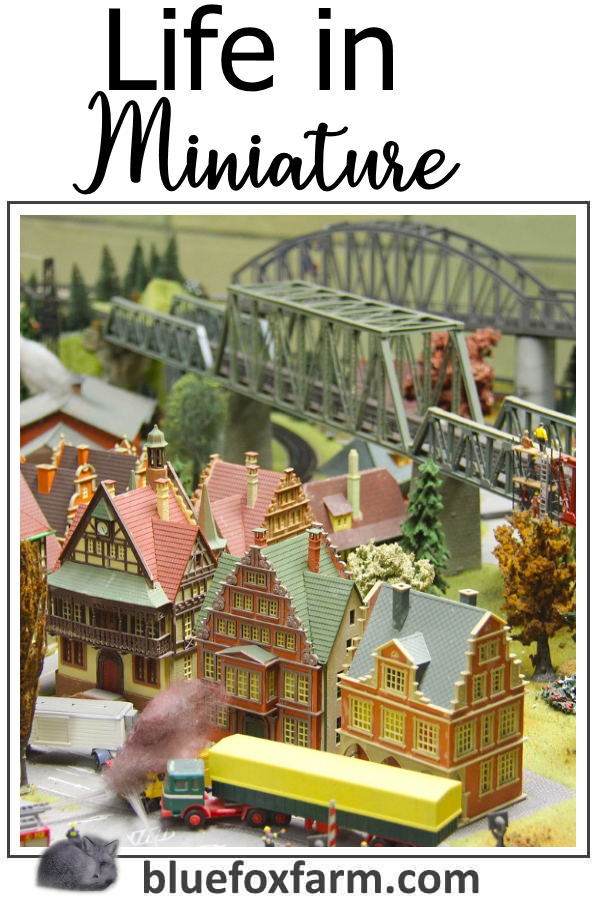
If you have the overwhelming compulsion to make your world in small scale models, you're not alone.
There are clubs all around the world, filled with people always young at heart, who build model railways, to scale, along with the people, plants, trees, cars, bridges and everything else to make the scene feel real. Nothing is out of place, everything in proportion.
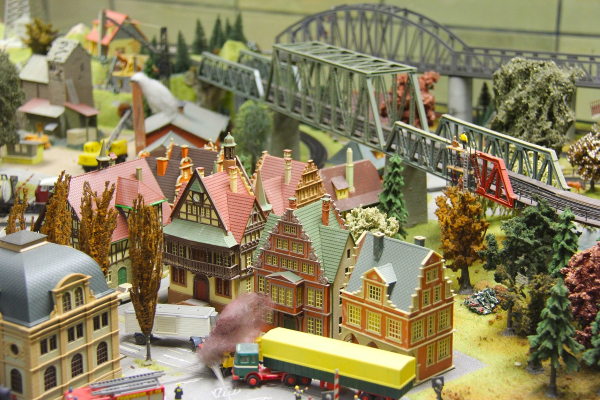 Miniature railway with bridges and realistic buildings and vehicles
Villages will include all types of buildings, especially those with charm and interesting architectural features. They might have trees among them, to give a realistic appearance.
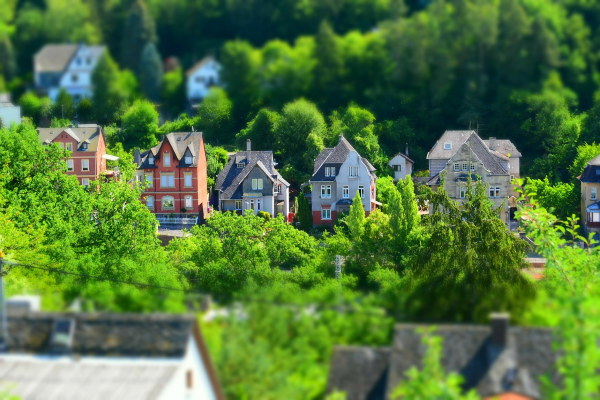 Tiny Town with trees around to make it very realistic
Aside from model towns and villages, tiny scenes that include pixies and fae folk abound.
Gardeners are intrigued with fairy gardens and include little bridges, patios and pergolas.
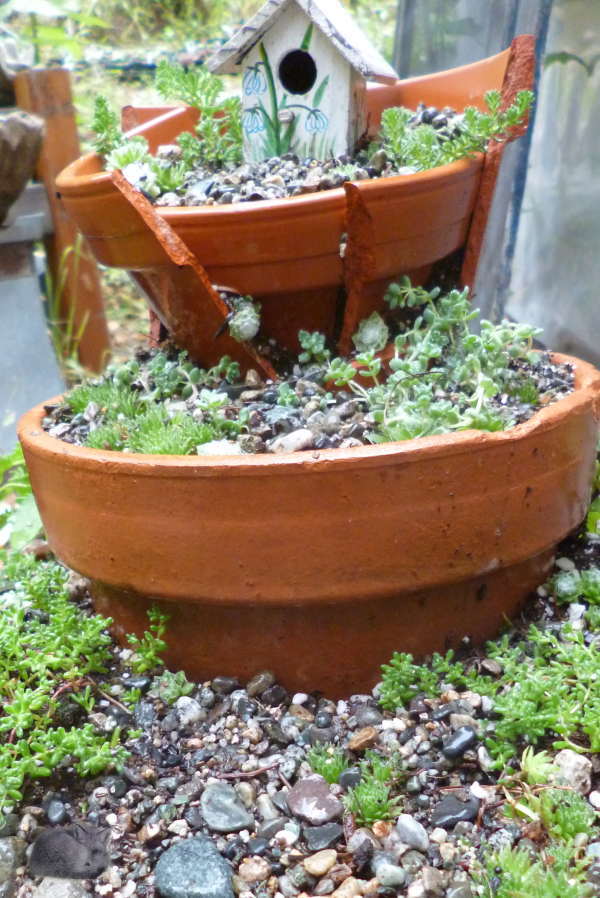
Terra cotta pots of all sizes are no longer discarded when they break - instead, they're made into whimsical and appealing little scenes, like the one below;
What Are Fairy Gardens?
Fairy gardens are whimsical miniature landscapes that combine tiny plants, miniature accessories, and enchanting decorations to create magical worlds.
They can be created both indoors and outdoors, in containers or directly in your garden landscape. These charming displays often feature fairy houses, gnomes, miniature furniture, and other tiny accessories that spark imagination and creativity.
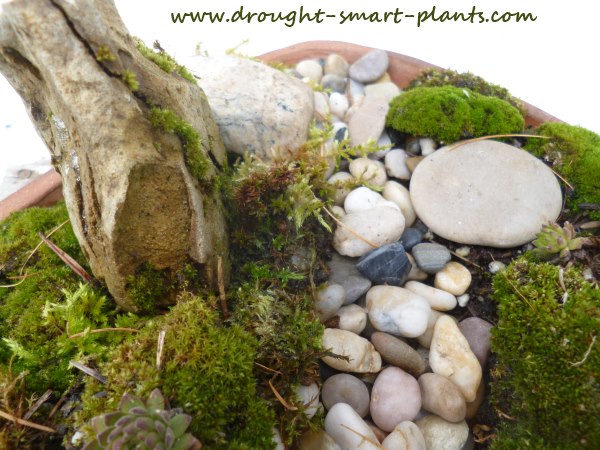
Miniature scenes are built in a shallow dish with moss as the main character;
Seasonal Themes:
Pumpkin fairy villages for fall/Halloween are trending on social media, along with year-round fairy garden displays, as seen on Instagram among others.
Popular Accessories and Ideas
Based on current trends from multiple sources these are the most popular:
- Miniature houses, cottages, and doors
- Tiny furniture (chairs, tables, benches)
- Garden tools and accessories
- Bridges, pathways, and stepping stones
- Fairy figurines and gnomes
- Miniature animals and mushrooms
- Solar lights and lanterns
- Water features and ponds
- Moss, pebbles, and natural materials
Where to Find Supplies
Popular sources include:
- Amazon and Etsy for wide selections
- Dollar Tree for budget-friendly options (trending on TikTok)
- Local garden centers and craft stores
- DIY options using natural materials like twigs, bark, and stones
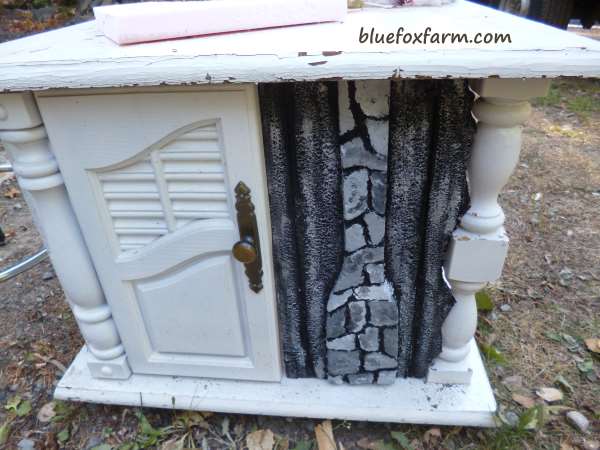
Doll house miniatures can be built from twigs or other discarded bits and pieces - don't forget to look in your stash of old junk - you do have one, don't you?
I built a tiny porch so that it can be decorated for the season with tiny blankets on a twig chair, baskets and boxes of fruit and tiny fire logs. The chimney was only the first part of the project - more to follow;
Getting Started With Your Miniature Village
1. Choose your container or location - a shallow, wide bowl is the perfect container, the bigger the better
2. Select a theme (woodland, beach, village, seasonal)
3. Add proper drainage and soil
4. Plant small, slow-growing plants like succulents, moss, or miniature varieties
5. Add miniature accessories and decorations
6.
Maintain with regular watering and care - you may need a sprayer with a
fine mist, rather than a watering can which could wash the soil away.
Fairy gardens are perfect for all ages and skill levels, offering a creative outlet that combines gardening with imaginative play!
Current Trends in 2025
According to recent sources, fairy gardens remain popular in 2025, with several exciting developments:
Community Engagement:
Public fairy garden displays are becoming popular attractions, like the fairy houses in various botanical gardens offering fairy garden trails.
Fairy Garden Events:
Multiple locations are hosting fairy garden festivals and trails, including the 2025 Bumblewood Thicket Fairy Village, the Lake Geneva Fairy Garden in Wisconsin, and the Woodland Faerie Trail at Zilker Botanical Garden with over 140 fairy homes on display.
If you're fascinated by looking at life through a magnifying glass, join the club. There are so many ways to emphasize the tiny, making fairy gardens is only one.

You might like these
Treenware - primitive kitchen utensils & tableware
Treenware made from poplar trees is a way to add a primitive atmosphere to your kitchen and dining room; rustic kitchen utensils and tableware...
Rustic Country Garden Decor - add character - salvaged garden crafts
Add charm and character to your Rustic Country Garden Decor with garden crafts and rustic salvage...
Antler Buttons - using Nature's bounty to make unique sweater closings
Antler Buttons do more than just hold your sweater closed; they are beautiful in their own right

 Jacki Cammidge
AUTHOR BIO
Jacki Cammidge is a Certified Horticulturist with a diploma in Ornamental Horticulture and the rustic garden artisan behind Woman of Many Sticks. Over 30+ years, she built custom twig trellises, archways, clematis gazebos, and 100+ hypertufa pieces using natural materials and upcycled finds. See her work on Facebook and Pinterest. Now retired, she still loves growing and harvesting willow.
If you're curious how broken pots, twigs and wire combine into magic, let's explore creativity in action.
Fill in the form below for your copy;
(Don't be disappointed - use an email address that will accept the free download - some .aol email addresses won't.
If you don't see your download within a few minutes, try again with another email address - sorry for the bother.)




Popular Posts You Can't Miss


Woman of Many Sticks - find out why I'm called that...
Join my e-mail group;
Sign up for the Rurality Newsletter here: (click on the bucket!)
Blue Fox Farm Home | About Me | Contact Me | Site Map | Privacy Policy | Copyright
Copyright © 2002- BlueFoxFarm.com All rights reserved


We acknowledge the traditional owners and custodians of the lands on which we live and work and pay our respects to elders past, present and future. Our business is created on the Mi’kmaq lands we call Epekwitk.