- Home
- Rustic Crafts
- Supplies
- Best Glue For Crafts
Jacki Cammidge is a Certified Horticulturist and rustic garden artisan with 30+ years creating twig trellises, archways, and hypertufa pieces from natural materials.
Best Glue For Crafts
How to Stick it Together
Jacki Cammidge, The Woman of Many Sticks, is a participant in the Amazon Services LLC Associates Program, an affiliate advertising program designed to provide a means for sites to earn advertising fees by advertising and linking to amazon.com. The cost to you, if you purchase something through my link, is the same.
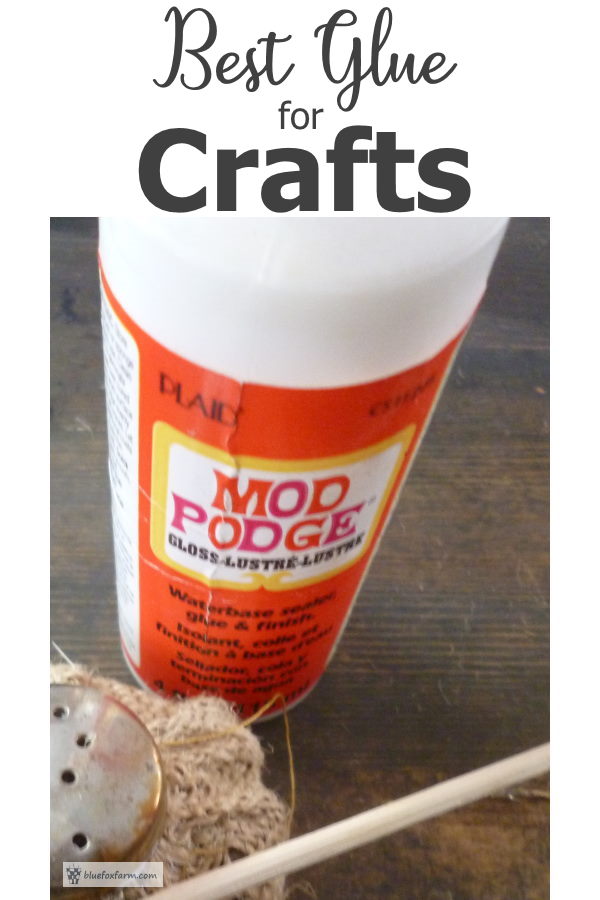
Depending on the actual material you want to glue there are many options. If it's paper or cardboard, Mod Podge or white glue that you used in elementary school will work fine.
But what if it's a combination of different materials, such as plastic and metal? There must be a specific glue for that, surely?
Choose the right glue, with the properties that will enhance, not detract from the finished project.
I've tried pretty much everything, and there are many more things that I don't know. Something I've learned; Don't use Mod Podge for everything. Test it out first, to see if it's going to work.
Best used on paper or cardboard, Mod Podge comes in several different finishes; semi gloss, matte, etc., just like paint. You may find you prefer one over the other types, or use them for different projects. The best use for Mod Podge is as a finish to things like decoupage.
Which Glue Is Best?
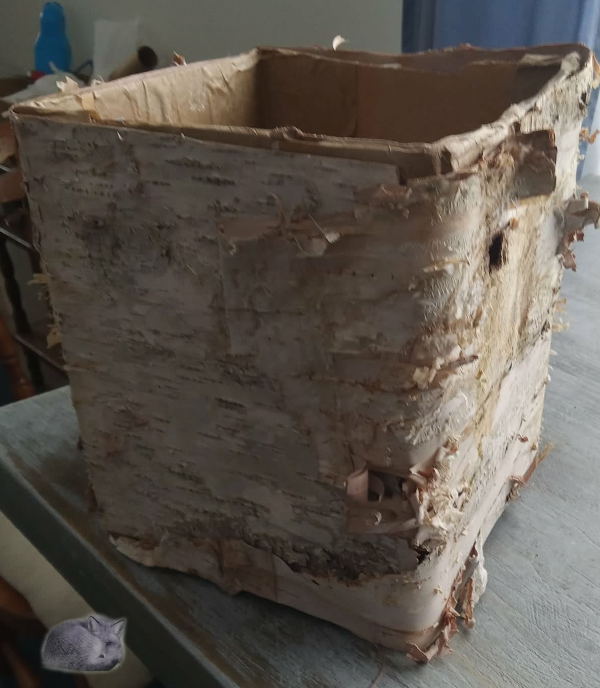 Birch Bark Box using two different glues
This box was covered with birch bark, which was glued on over top of decoupage kraft paper, which used Mod Podge. Then the birch bark was attached with a hot glue gun.
This is the perfect example of choosing a glue that will match the material.
Mod Podge would not have been strong enough to hold the birch bark in place, but it was the perfect way to secure the kraft paper around the whole thing and inside it.
The hot glue gun held the springy bark on perfectly after the kraft paper was completely dry.
If you needed to attach something heavier then hot glue is the best option. For something lighter in weight, either Mod Podge or similar, or E7000.
They each have their uses, depending on your needs.
My main complaint about most kinds of glue isn't the glue itself. It's the package!
Gorilla Glue is a great glue, but it's almost impossible to squeeze the bottle. I usually let it drip out onto something else, then spread it with a toothpick or piece of wire. It is almost impossible to get it off your fingers. It just has to wear off.
Another thing to keep in mind with Gorilla Glue is that it expands as it dries.
Don't leave it alone for a minute!
Wipe off the excess a few times until it stops expanding. This can be a good thing, as it fills in any cracks or spaces, but it can also spread pieces apart.
Clamps are our friends.
Another candidate that's tricky to use is two part epoxy. This product usually comes in two tubes, bottles or a syringe with two parts to it.
It only sticks once it's mixed, that's why I get the five minute kind, which gives you enough time to actually mix it, spread it and get the parts of your craft in the right place before it dries rock hard.
Another popular type of glue is E6000, which many crafters use for gluing together garden totems or other recycled dish projects.
My latest project is to try Kinsugi, or gluing a broken dish back together using a method of glue with gold to make a distinctive mend on a fragile piece of pottery. Don't hide the damage, enhance it!
Here are some choices of glue that I use as my go-to's to buy and have on hand;
You might like these
Twig Crafts - primitive, natural art made with branches and twigs
Twig Craft Projects From Natures Supply Cupboard - DIY Ideas
Harvesting Twigs for Crafts; the most important things to know
How to Harvest Twigs for Crafts; the how to primer for collecting twigs efficiently and safely
About Me - how this whole thing started
Find out about Jacki; who is she, and why is she so fanatical about rustic crafts?

 Jacki Cammidge
AUTHOR BIO
Jacki Cammidge is a Certified Horticulturist with a diploma in Ornamental Horticulture and the rustic garden artisan behind Woman of Many Sticks. Over 30+ years, she built custom twig trellises, archways, clematis gazebos, and 100+ hypertufa pieces using natural materials and upcycled finds. See her work on Facebook and Pinterest. Now retired, she still loves growing and harvesting willow.
If you're curious how broken pots, twigs and wire combine into magic, let's explore creativity in action.
Fill in the form below for your copy;
(Don't be disappointed - use an email address that will accept the free download - some .aol email addresses won't.
If you don't see your download within a few minutes, try again with another email address - sorry for the bother.)




Popular Posts You Can't Miss


Woman of Many Sticks - find out why I'm called that...
Join my e-mail group;
Sign up for the Rurality Newsletter here: (click on the bucket!)
Blue Fox Farm Home | About Me | Contact Me | Site Map | Privacy Policy | Copyright
Copyright © 2002- BlueFoxFarm.com All rights reserved


We acknowledge the traditional owners and custodians of the lands on which we live and work and pay our respects to elders past, present and future. Our business is created on the Mi’kmaq lands we call Epekwitk.